7 Nov 2026
The Intersection of Historical French Card Game Traditions and Contemporary Online Blackjack Rule Variations
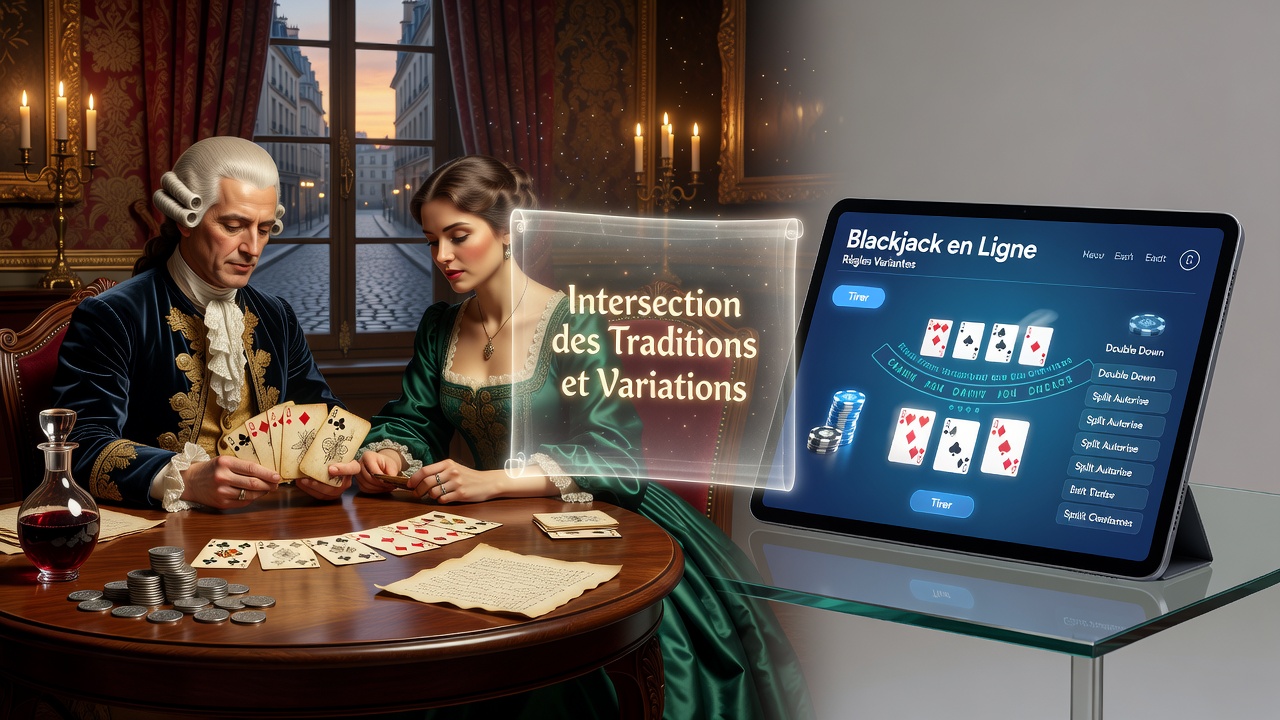 French card game traditions trace back centuries, and observers note that elements from games like Vingt-et-Un and Trente et Quarante continue to shape rule structures in today's regulated online blackjack offerings. Data from industry reports shows that core mechanics such as hand totals reaching 21 and specific dealer constraints originated in 17th-century French play, where participants used 52-card decks without jokers. Those who study archival records find that these games emphasized strategic decisions around drawing additional cards, a practice that persists in contemporary digital formats licensed within French jurisdictions.
Foundations of French Card Play and Early Rule Structures
Researchers examining historical documents indicate that Vingt-et-Un emerged as a precursor to blackjack during the reign of Louis XV, when players aimed to reach exactly 21 points without exceeding it while competing against a dealer. French decks at the time featured regional suit variations, yet the numerical values assigned to face cards and aces remained consistent with modern standards. Evidence from preserved rulebooks reveals that doubling bets on strong initial hands and splitting pairs appeared in informal salon settings by the late 1700s, establishing precedents that online platforms later codified into selectable options.
Trente et Quarante, another staple of French gaming houses, introduced color-based betting and specific payout ratios that influenced variant adaptations seen in current mobile sessions. Those who've reviewed 19th-century casino ledgers observe that dealer stand rules on certain totals carried forward, creating continuity across eras. November 2026 marked further platform refinements in several French-regulated environments, where developers aligned interface displays with these longstanding numerical thresholds to maintain player familiarity.
Transmission of Traditions into Digital Environments
Contemporary online blackjack titles offered through French-licensed operators incorporate rule variations that echo these origins while accommodating regulatory requirements. According to figures from the Autorité Nationale des Jeux, operator compliance data reveals that surrender options and late doubling mechanics trace directly to 18th-century adaptations of Vingt-et-Un. Players encounter these choices presented through digital interfaces that preserve the core decision points without altering fundamental probabilities.
Studies on game evolution show that the French practice of using a single deck in certain historical contexts translated into online variants that permit deck-counting adjustments when permitted by licensing terms. What's notable is how mobile applications replicate the tactile elements of physical cards through animation sequences, yet retain payout structures derived from early French tables. One documented case from regulatory filings illustrates how operators adjusted insurance bets to align with traditional odds calculations that originated in Parisian gaming circles.

Rule Variations in Regulated Online Markets
Regulatory frameworks in French-licensed markets require specific adaptations that intersect with historical precedents. Data indicates that dealer hit-or-stand parameters on soft totals often mirror the conservative approaches documented in 19th-century French establishments. External research from the Canadian Institute for Gaming Research highlights parallel developments in rule flexibility across jurisdictions, where operators introduce limited variations such as early surrender while maintaining house edge consistency.
Platform update cycles documented through 2026 demonstrate how providers integrate these elements into progressive jackpots and side bets. Those monitoring industry patterns note that French regulatory oversight encourages transparency in rule disclosures, allowing users to review historical alignments before engaging in sessions. This approach connects directly to archival practices where tables posted explicit guidelines derived from earlier card traditions.
Broader Influences and Cross-Regional Comparisons
Academic papers from Australian universities examining global card game migrations reveal that French traditions influenced rule sets adopted in other European markets, which then informed online implementations. Figures released by the European Gaming and Betting Association show steady growth in sessions featuring hybrid variations that combine Vingt-et-Un payout ratios with contemporary bonus rounds. These adaptations occur within strict licensing parameters that prioritize verifiable random number generation while preserving strategic depth inherited from prior centuries.
Observers tracking November 2026 platform changes report incremental updates to mobile interfaces that better reflect traditional dealing sequences, enhancing continuity for users familiar with physical French card customs. Such modifications appear in select titles without altering core mathematics, ensuring compliance across multiple regulatory environments.
Conclusion
The documented lineage from historical French card games to present-day online blackjack variants demonstrates measurable continuity in rule mechanics and decision frameworks. Regulatory bodies and research institutions continue to catalog these connections through compliance reports and historical analyses, providing clear records of how traditions persist within digital formats. This intersection remains evident in operational standards applied across licensed platforms operating under French oversight.